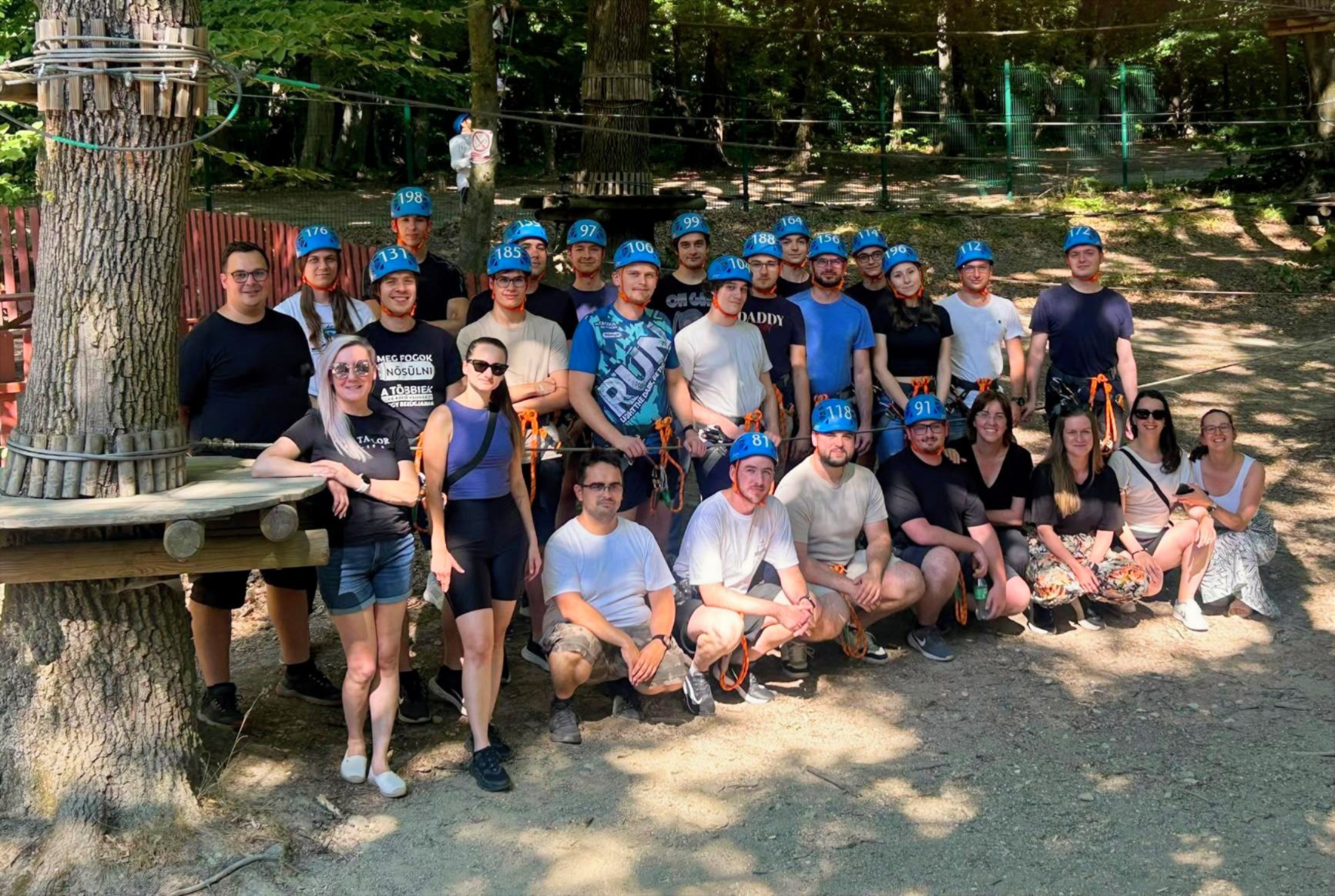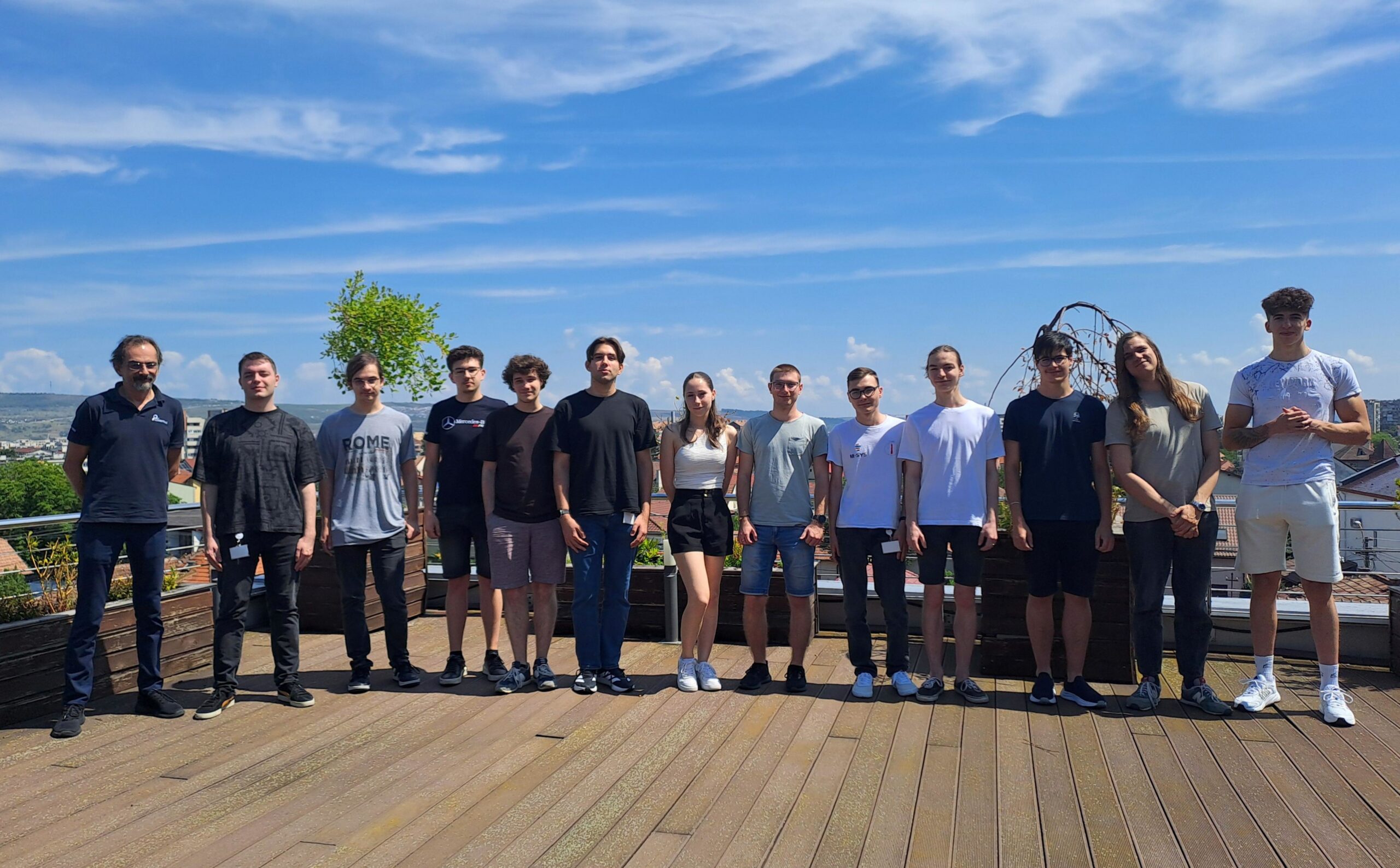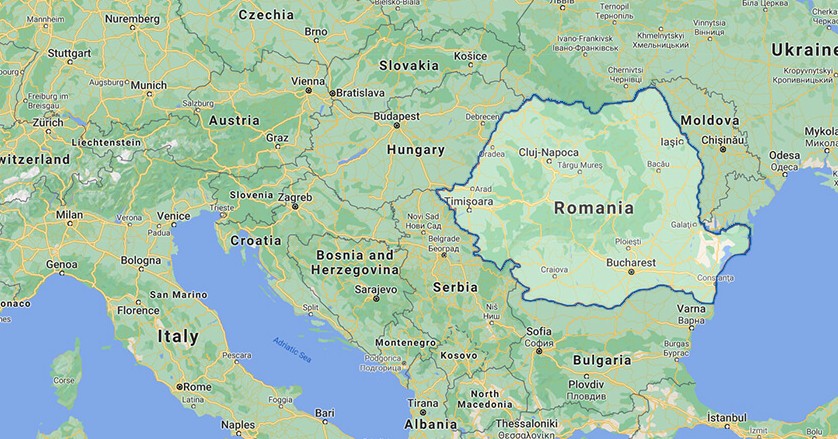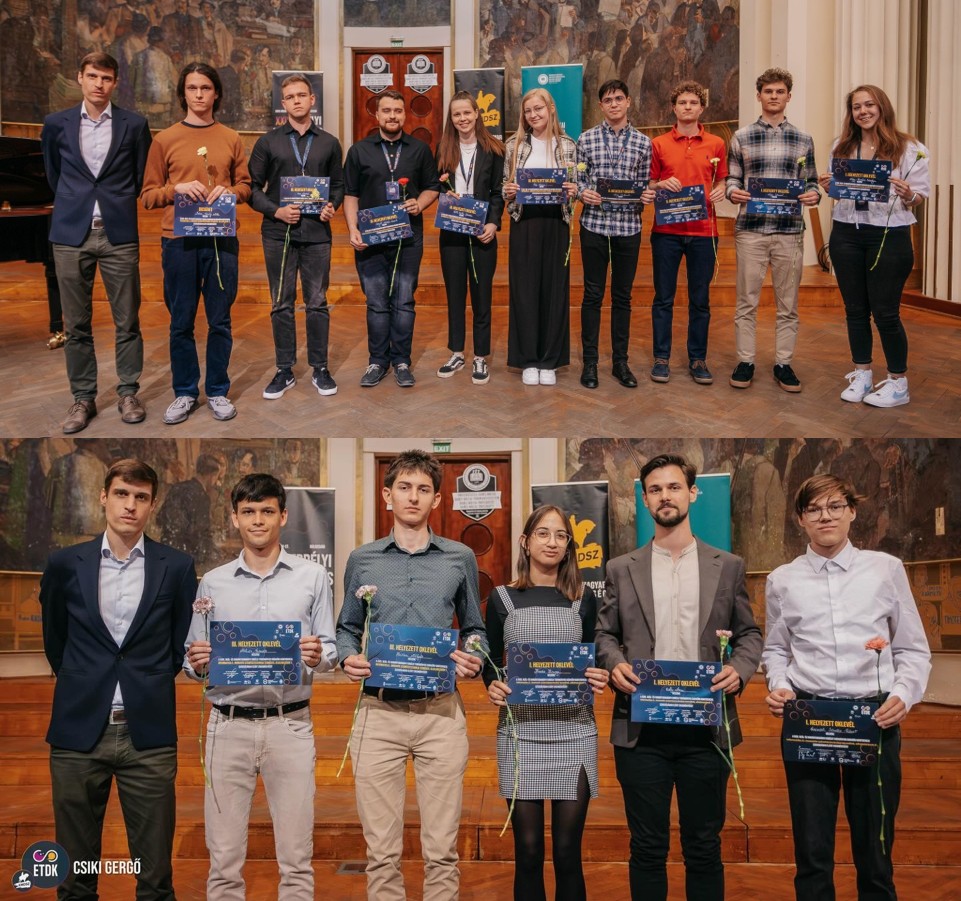

Summer at Codespring means one thing above all: our offices receive both students and fresh ideas. This year, our Târgu Mureș office welcomes a new group of IT-students enrolled in Codespring’s 2026 Summer Internship. We are proud to see that our most recent office is growing and that it continues to build a long-term partnership with the local university in Târgu Mureș. In times when many companies decied to resume their internships Codespring by SOFTECH managed to secure the resources and talent needed to continue the next generation’s development.
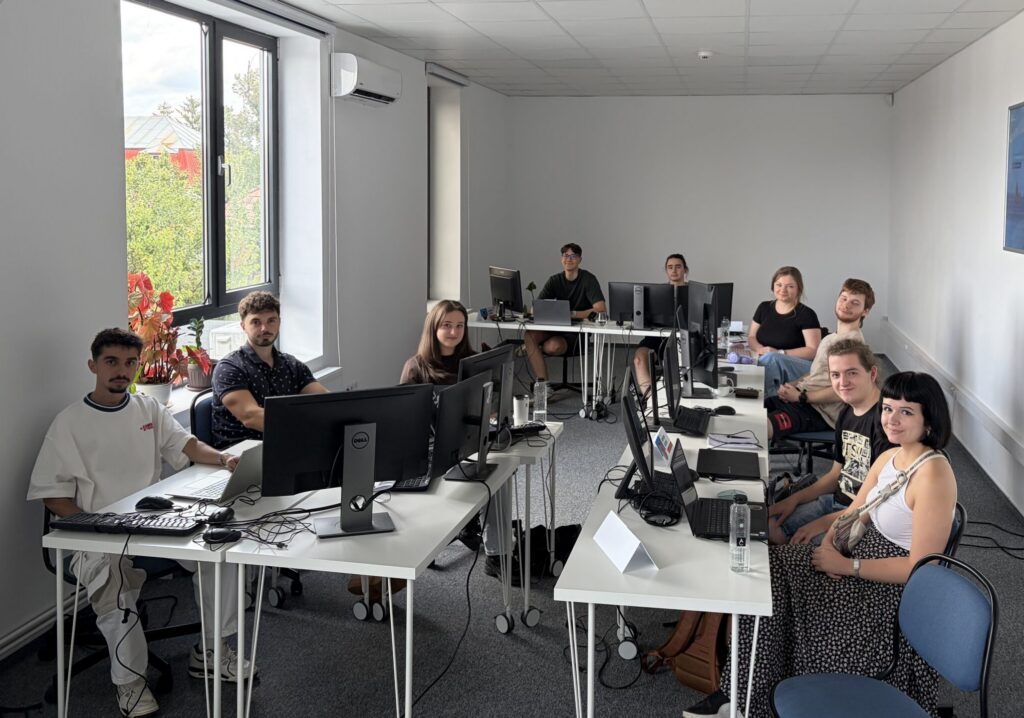
Who Is Joining Us This Year?
The Summer Internship in Târgu Mureș brings together students at different stages of their university studies:
- 7 second-year students from Sapientia University Informatics program
- 2 third-year students from Sapientia University Computer Science program
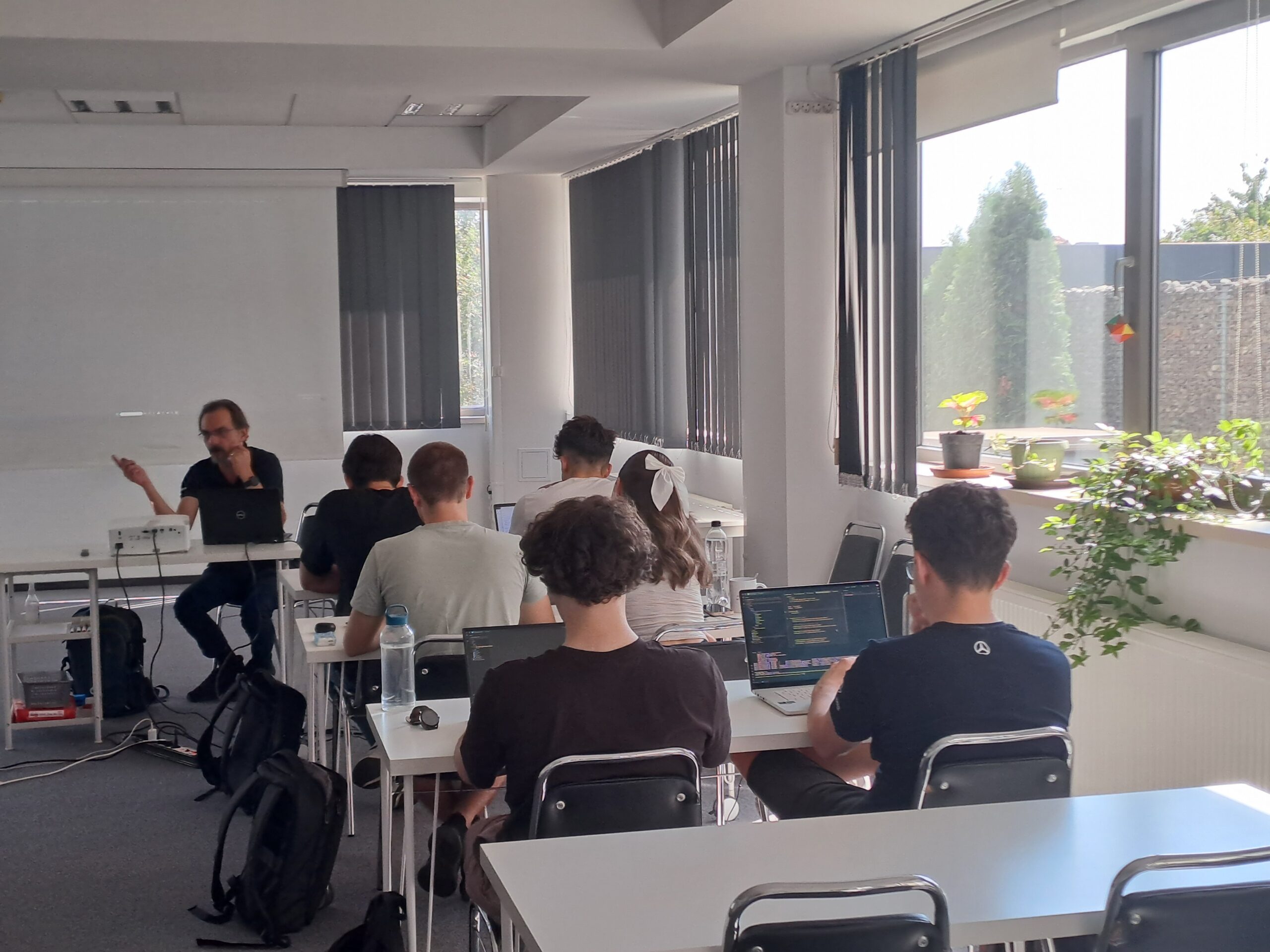
Together with their mentors from our Codespring team, they have formed 4 teams, each aiming to finish a project of real substance, a product idea with technical and practical challenges. After the first kick-off meeting they will start some theoretical courses, than the fun begins – learning by doing!
More Than Code: Building a Community
The junior software developer work is only half part of the story during Codespring Summer Internship. What makes the Mentoring Program unique is the community around it — daily meetings with mentors, peer teams working a few desks away and that kind of informal knowledge exchange that no lecture hall can replicate. Students don’t just learn how to write code; they learn how to work as a team, plan together, disagree productively, and present their progress with confidence. It’s this environment — not just the finished projects — that our mentees tell us they value most once the summer ends.
Codespring Summer Internship Projects in Târgu Mureș
In the following lines you may find a what the lot of four teams in Târgu Mureș are working on this summer:
-
Medical Data Platform
A web platform that lets doctors upload results from different types of medical examinations. The core challenge: building software that anonymizes the uploaded data — while handling the fact that the same type of examination might arrive as an image from one doctor and a video from another. The team plans to use AI to support the anonymization process, and given the variety and long-term volume of data involved, the project also takes on a big-data dimension, with an eye toward future research use.
-
Mirror360
An internal, digital 360-degree performance evaluation system, designed to replace a company’s current Excel-based process with something more modern, transparent, and easy to manage. The application lets employees fill out, manage, and track evaluations online. Behind the scenes, the system automatically collects responses and generates statistics, charts, and metrics — averages, trends, differences between categories, and summaries at both the individual and organizational level — all exportable and presented visually.
-
FitVision
A real-time workout-form coach that evaluates exercise technique through a webcam or smartphone camera. It runs on Google’s MediaPipe Pose / MoveNet pose-detection technology directly in the browser, so no server-side GPU or heavy computing power is needed. The 33 or 17 detected body keypoints are then passed through a TensorFlow Lite Pose Classifier, which uses the angles and patterns between those points to automatically recognize which exercise the user is performing — a squat, a push-up, a plank — and what phase of the movement they’re in. From there, an LLM-based analysis module takes over: it evaluates the exercise in natural language, flags technical mistakes, and offers personalized tips to improve form. The platform also tracks long-term progress, so users can see — visually and through data — how they’re improving over time.
-
Premium Tool & Equipment Rental
An app that lets people in the same neighborhood rent out their rarely used, higher-value tools and equipment to one another — think pressure washers, industrial drills, roof boxes, or a serious camera. The logic is simple: it rarely makes sense to buy an expensive tool you’ll use once a year. Owners earn some passive income; renters save money instead of buying outright. For payments, the team is looking at a model similar to Vinted, including a security deposit to protect the equipment owner — closer in spirit to a car-rental app than a typical marketplace. It’s a project the team sees as a genuinely rich learning ground for students, touching on trust, payments, and logistics all at once.
Why It Matters
Each of these projects pushes students to work with technologies and problems they won’t find in a standard coursework assignment — anonymization and AI-assisted data handling, real-time pose estimation, statistical reporting at scale, or building trust into a peer-to-peer marketplace. By the end of the summer, our students from the Codespring Summer Internship, learning in Târgu Mureș won’t just have a finished prototype to show! They will count two months of actual learning about how software gets built — together, with the support of mentors who’ve been there before, and alongside teammates who will likely stay part of their professional network long after the internship ends.
We can’t wait to see these four projects at the end of the Codespring Summer Internship!
by: Réka Hegyi