
The major paradigm shift triggered by the AI adoption trend is that software development becomes more contextualized in the customers’ environment. In order to make this transition and the final system integration safe and reliable, the human expertise along the process and the collaboration with multidisciplinary teams is critical.

The Amplifiers of Any Tech Expertise
The new tech service range established for the upcoming period includes: AI strategy and architecture, AI integration, AI infrastructure & ops, custom AI development, Generative AI solutions, AI agents & intelligent automation, retrieval-augmented generation (RAG), AI knowledge systems and industry-specific AI solutions.
In order to amplify the quality of our above software development services, our company has recently organized a multiple series of soft skills training for our engineers. Why? Because before anything our team must understand our customers’ needs and explain what these new AI solutions mean in actual implementation. For each use case, there are important facts that our software engineers must be able to translate for executives and non-technical teams.
Soft Skills Training Goals in the AI context
The main goal of our soft skills training is to make sure that our team will perform at its best when bridging the gap between technology, business goals and human adoption at the customer’s site.
While speaking with our HR Manager, Andrea Székelyi, we counted a dozen of essential soft skills needed for most software development teams in the AI context: active listening, communication and explanation, all-round collaboration, critical thinking, empathy, adaptability, building raport, consultative problem solving, change management mindset, ethical judgement, business awareness and process accountability.
As a priority, we highlight the need to train consultative problem solving, communication and explanation skills, critical thinking, adaptability and process accountability.
Essential Soft Skills for AI Integration Projects
In the following paragraphs we will present the reasons behind the need of each soft skill for AI integration projects and why training matters.
Active listening. This one is a huge dealmaker or breaker. When the engineering team understands the symptoms accused by the customer team, they can faster identify the root cause of specific requirements such as “we need to automate” this or that. The power of listening to the real problems is that it can reduce costs and avoid double work.
Communication and explanation. With an entire new jargon and tech terms, software engineers must translate the newest AI concepts for quite a wide array of audiences. They must explain what they propose to executive, operatives, industry or domain experts and other fellow developers. Clear communication builds trust and accelerates decision-making.
All-round collaboration. Most AI projects involve cross-functional collaboration among engineers, product managers, business executives, domain experts and data specialist. The biggest competitive advantage becomes that of working effectively across disciplines.
Critical thinking. Facing the AI reality means to understand the teams have to deal with uncertainty and incomplete information. Software development teams will need to combat assumptions, to validate requirements and identify hidden spots before going into production and implementation.
Empathy. This one is a strong take. At each major technology change, we have to make sure that adoption will be understood and done smoothly. Ai actively changes the way people work and has a deep impact on roles and job content. Therefore, it is important that tech teams understand and be compassionate about user concerns and customer expectations.
Adaptability. Changes are happening fast with AI and it is a very different workstyle for current software teams. To anticipate trends, to be always in tune with the latest updates, the latest tools and platforms is critical. Teams must remain flexible and learn continuously.
Building rapport. With complex projects, what happens is that teams must establish rapport and manage stakeholders from various departments and entities. This will result in working with executives, legal experts, operations, IT, compliance teams and users. Competing interests will be the norm and the team must manage all of them.
Consultative problem solving. During the complex industrial-grade solutions developed by our team, the people involved act as consultants. Often, while analysing the situation de facto it will be less about extra AI tools but more about workflow optimization, process redesign and specialized automations. The goal is to solve problems in effective and efficient ways.
Change management mindset. This is also a hard acquired soft skill since integrating novel solutions is an important transformation in any organization. The software team will have to help users, to define governance, reshape processes and measure effectiveness of the new solution.
Ethical judgement. Responsible and ethical AI practices are already a business requirement. Software development teams must understand and ensure privacy, security, fairness, transparency and regulatory contexts.
Business awareness. For each customer, the team must analyze the industry and the immediate business environment in order to grasp the specifics of the project. Domain experts from the customer side are often in the loop for the first steps of AI solutions integrations but it remains equally important to have the ability of learning fast and mixing previous experience with new information.
Process accountability. The true legacy of a well implemented project is the positive impact on the customers’ business. The best-valued partners are the ones who take responsibility for their work, This is how we have learned that long-term partnerships grow.
Considering these soft skills, it becomes clear that the teams developing them will outperform the teams that are only technology focused. In our view, integration AI and emerging technologies is a matter of people and processes more than a simple tech challenge.
What Did our Training Agenda include?
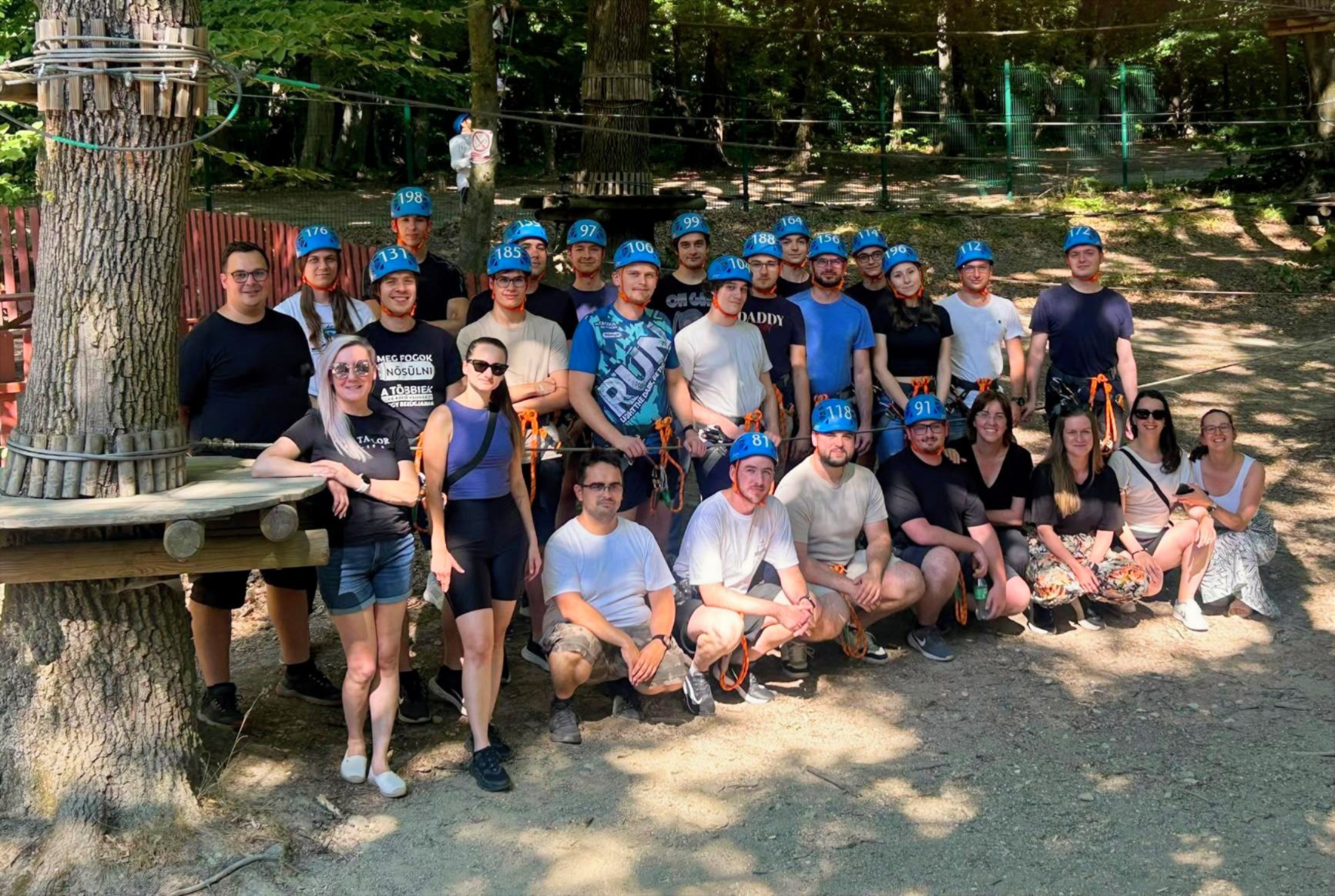
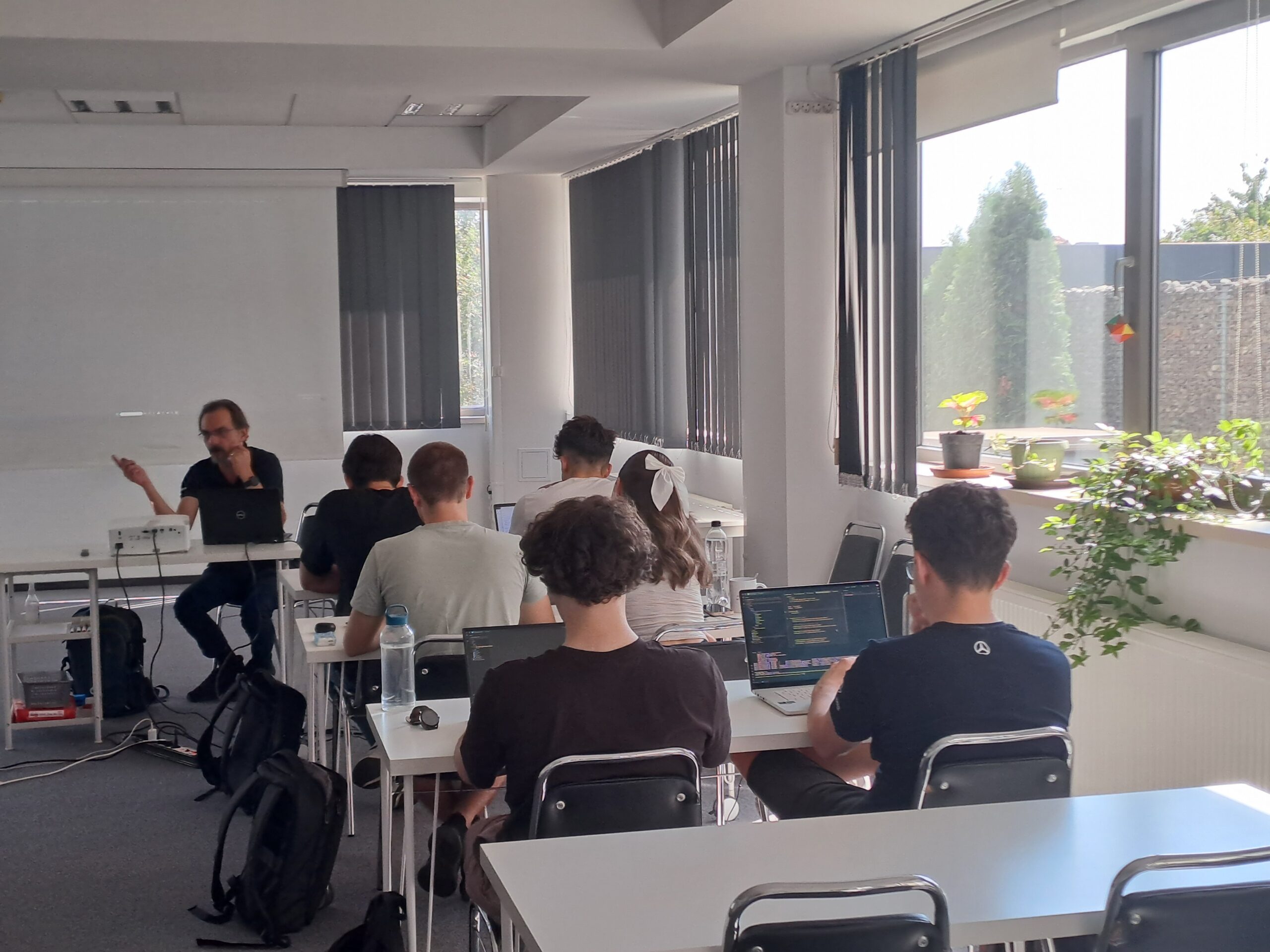
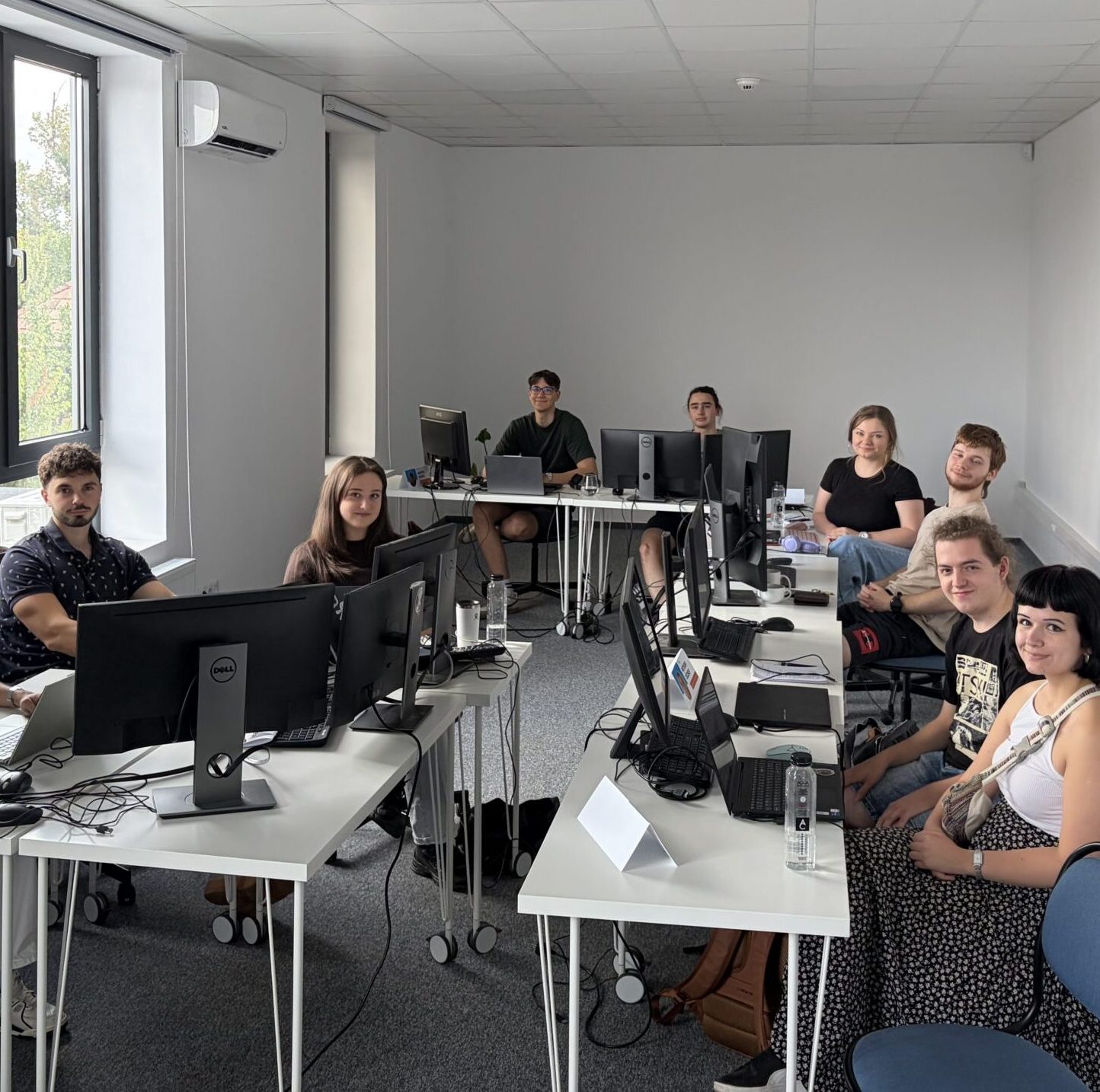
Now we are getting to the mastery and astuteness of our HR team. In order to make sure that we not only expose our colleagues to these concepts, but that we also practice them we had a mix of in-house and outdoors sessions. From office life to out-of-office life, we were experiencing various workshops and activities done in smaller and larger teams.
We had the chance to learn about negotiations, about conflicts, about gamification of learning, about moving quickly and solving challenges. Mystery games, dance workshops, flavour detection and many more, were part of this wholesome experience.
The Cherry on Top
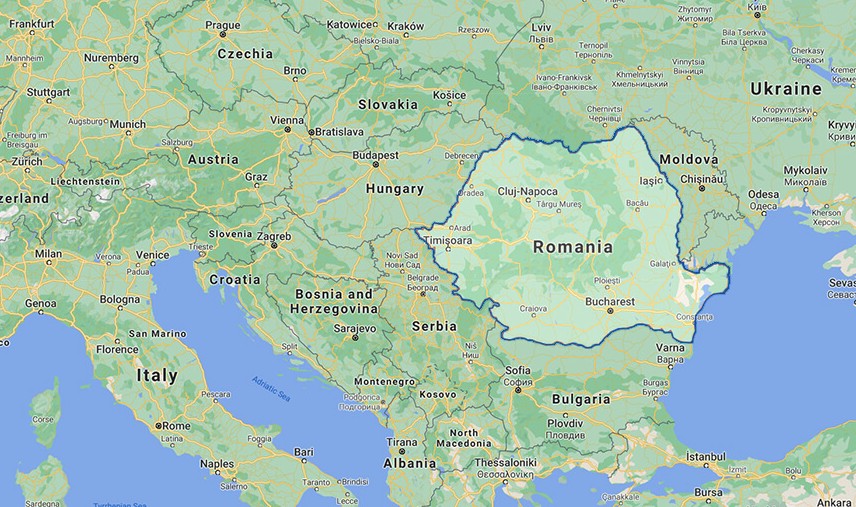
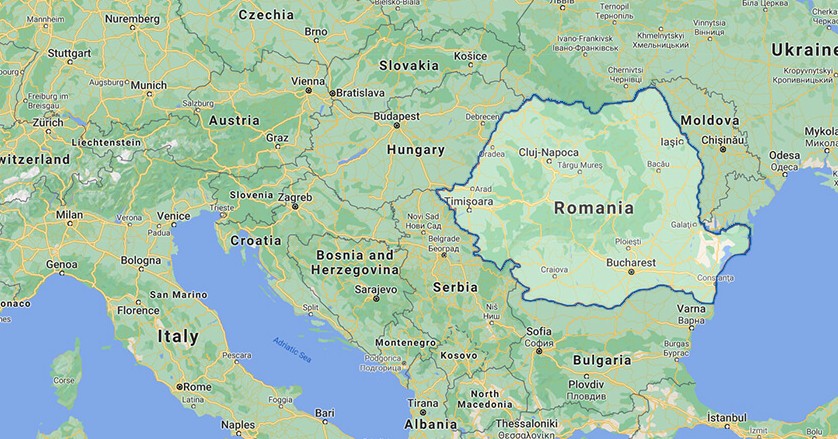
The culminating part was the gathering of our team at the Gilau Castle near Cluj-Napoca, that totally blew our mind. Thank you for the organizational effort and the dedication to navigate together among the waves of change!
If you are looking for a well trained software development team to help you with your current business needs, you are welcome to get in touch with our software engineering team via the contact page.
by: Diana Roșca