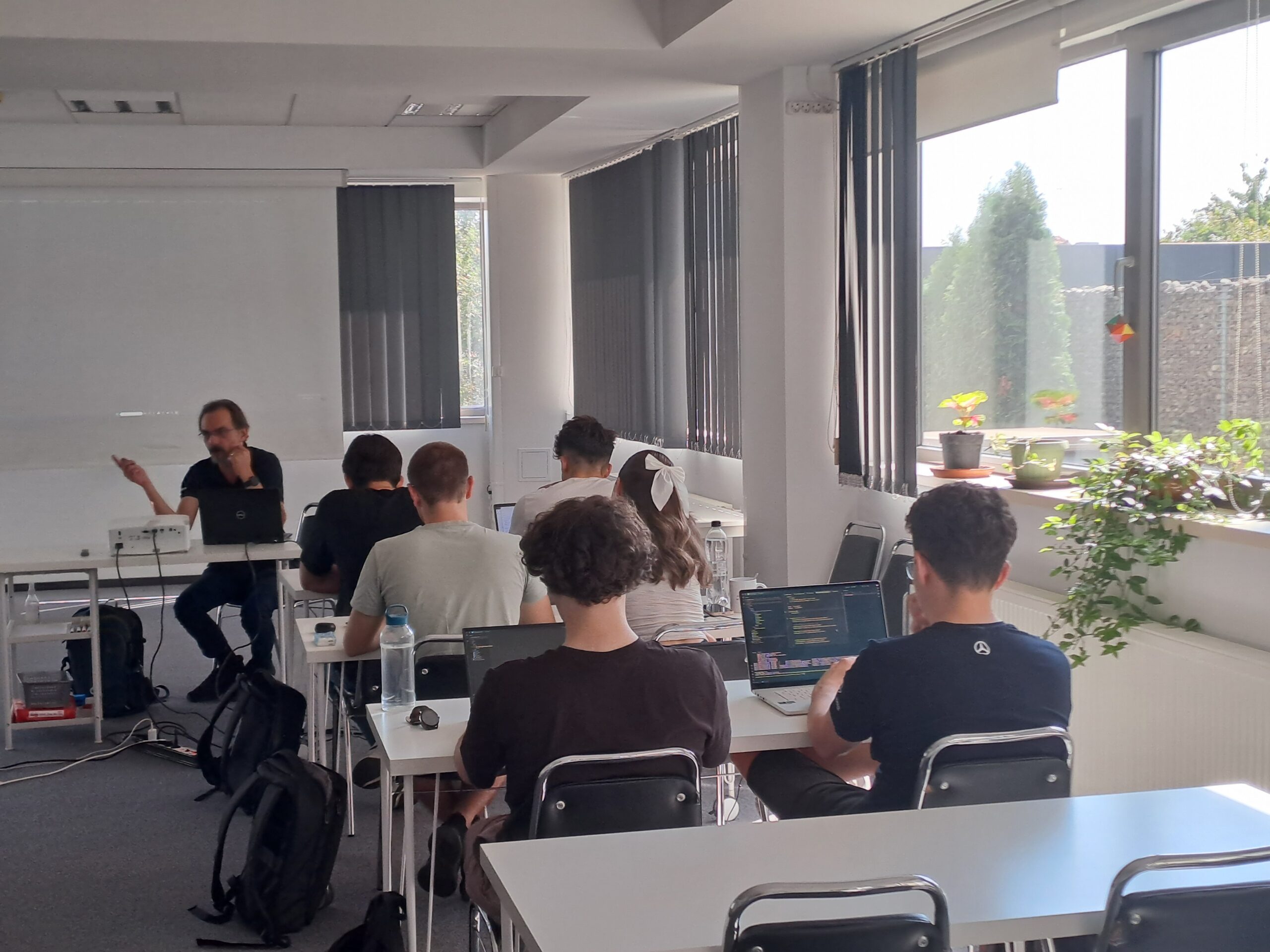

In the Codespring Mentoring Program run by SOFTECH Engineering, summer internships for computer science students are never just a task to check off a list. It has always been a priority for us to build bridges between academia and the IT market: year after year, the specific trainings provided to the next generation of IT professionals during the academic year is followed by intensive summer work on viable projects. This culminates in September with a project presentation held by the mentees, followed by a closing event.
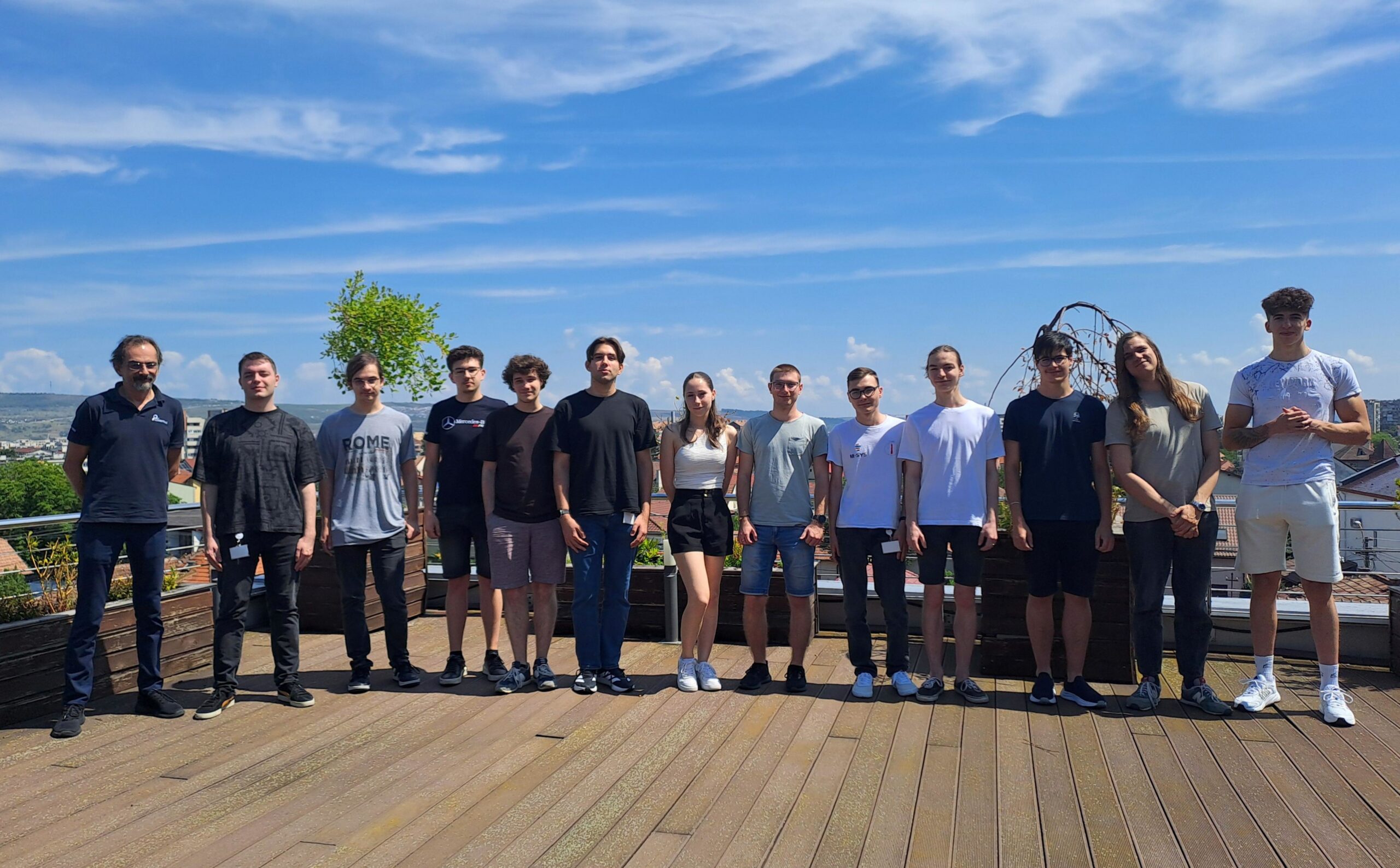
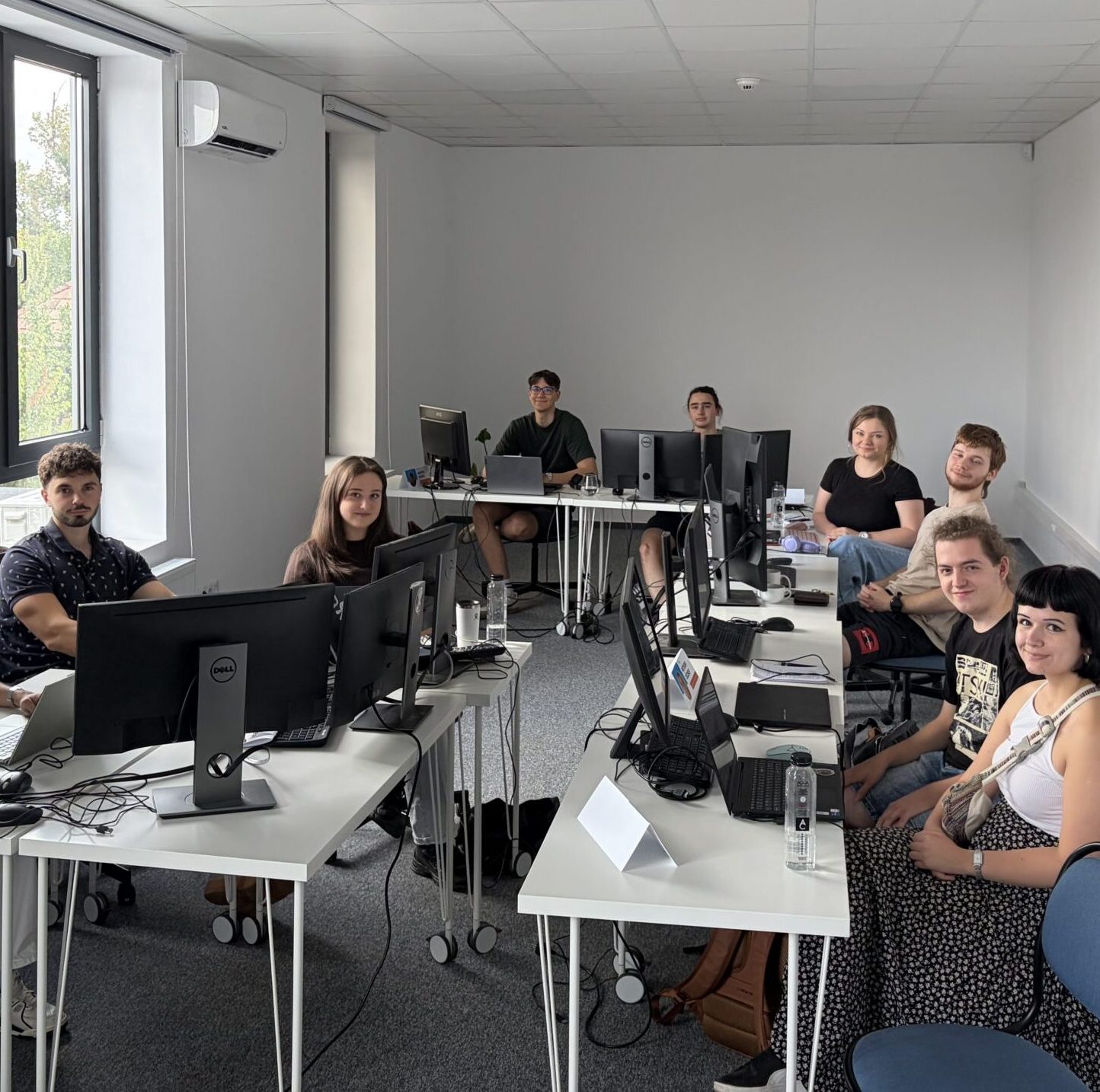
This year, we said goodbye to the sixteenth edition of the Codespring Mentoring Program. In SOFTECH | Codespring’s offices in Cluj-Napoca and Odorheiu Secuiesc we welcomed 12 students from the Faculty of Computer Science at Babeș–Bolyai University, who had been working on 6 projects for more than two months, under the professional guidance of our experienced software developers.
By successfully completing these challenging projects, these soon-to-be IT professionals not only demonstrated their perseverance and outstanding technical skills, but they also had gained two months of real-world professional experience – a foundation on which they can confidently build their future careers.
Project Presentations: Highlighting the Summer Internship
Each of the projects completed over the summer was inspired by real-world problems, to which the teams developed innovative software prototypes using the latest technologies.
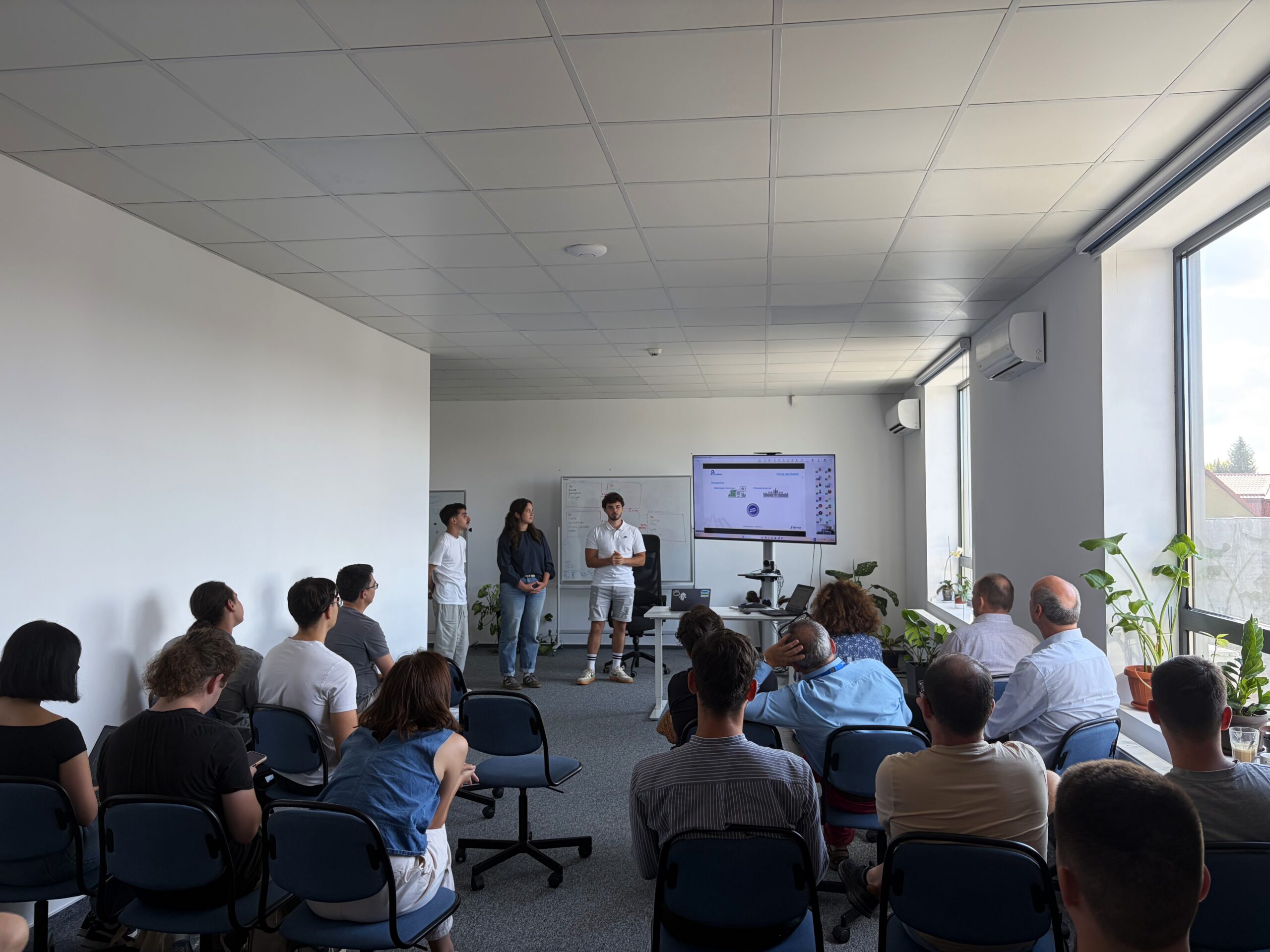
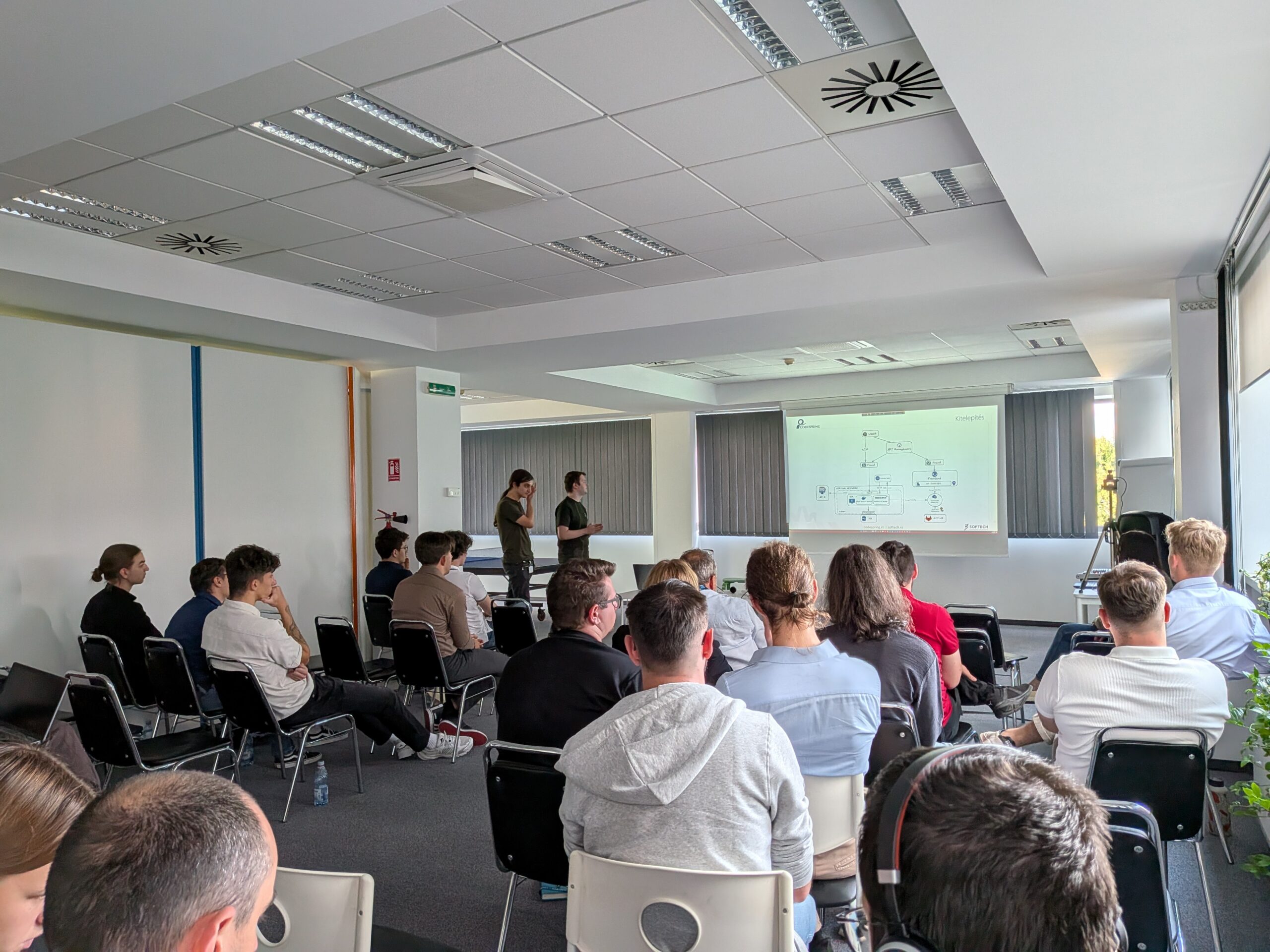
Traditionally, we held a closing event with project presentations, attended by the company’s employees either in person or online. Thanks to this, the teams of young developers were able to receive valuable feedback and insights from senior professionals. After all the excitement, the mentors and students celebrated with a reception and toasted to the successful internship.
The projects will continue after the summer. Students will improve their software during the senior year for academic conferences and their state exam. An in-house presentation like this also provides effective preparation for the high-stakes challenges ahead: at future events, their presentation skills and ability to manage performance anxiety will also be key factors, in addition to their professional knowledge.
New Technologies, New Challenges
This year’s lineup of projects proved to be very strong. Numerous innovative solutions came to light, ranging from specialized real estate search and travel planning to the digitization of interactive maps and homework assignments, as well as real-time speech translation.
Implementing new technologies into the workflow was a stimulating challenge for both the students and their mentors, so they all deserved the applause that followed the presentations.
Projects developed during this summer’s internship:
ACT – Administrative chatbot (for) Teams
A chatbot integrated into Microsoft Teams that automates administrative tasks, using artificial intelligence. Its goal is to integrate various administrative interfaces, eliminating the need for repeated logins and navigation between different applications and browser tabs – or even within internal policies.
ARES – Aggregated Real Estate Search
The goal of the project is to simplify the apartment search process and make it more precise based on various specific preferences. ARES collects advertisements with varying data currently listed on separate classified ad sites into a unified interface. Then it uses AI to cleanse and filter the listings before presenting them to the user.
Babel – a real-time translation application
The software is designed to translate live speech or broadcasts into other languages in real time. Unlike similar existing applications, its primary use cases are smaller events, such as religious ceremonies. Users can easily access the feature via a QR code, which provides real-time translation in both written and spoken form.
Homework Tracker
A digital school catalogue and homework tracking web application. Students can submit their homework anonymously, and the teacher only sees their names after assigning a grade. Students can also ask questions related to their homework anonymously – either from the teacher or an AI-based chatbot, which can only respond to questions about the lesson.
Toma-Map – Map Digitization App
The app is designed to overlay a printed (and often distorted) map of a specific location or event onto the phone’s built-in map app, making it suitable for GPS navigation. Locations can be opened via QR codes, moved around responsively, and display a real-time location that has been recalculated to the undistorted image. It works offline and even after the app is closed.
TripWeaver – travel planning web interface for groups
The goal of the project is to simplify travel planning based on the individual preferences of members of a group. To find the most suitable destinations and activities, each user can enter their own ideas. Then the software aggregates them and – through a vote on the resulting list – it generates a complete itinerary tailored to the group.
We congratulate all the students and mentors on the persistent, hard work they put into the implementation of these projects! We hope that the collaboration established this summer will continue, just as the development of the software they created together as effective teams.
Academic Partnerships – Long-term Engagements
The Codespring Mentoring Program is organized and run by SOFTECH, one of the most well-known software development companies in Transylvania. The mentoring program celebrated its 16th anniversary; the renowned program is available for IT students of the Transylvanian higher education institutions, such as Babeș–Bolyai University at Cluj-Napoca and the Sapientia University at Târgu Mureș.
The collaboration with the IT students themselves originates from excellent partnerships with Transylvania’s best universities: year after year, we support in multiple ways the events organized at the Faculty of Mathematics and Informatics of both universities mentioned.
We firmly believe that sustaining a great partnership with the academia will contribute to the most diversified and up-to-date qualification of the next generation of employees, including not only professional knowledge but also other essential soft skills like presentation, teamwork and the ability to adapt to changes.
by: Katalin Bálint